A week is exactly the right length for Norfolk. Long enough to reach the far north coast without hurrying, short enough that you never spend a whole day behind the wheel.
Collect your motorhome from PWS Go at Abberton and head north. Over the next seven days you will travel from quiet river valleys to the open water of the Broads, then out to a coastline of wide beaches, pine woods and seal colonies.
None of the drives on this route are long. That is the point.
Why choose Norfolk?
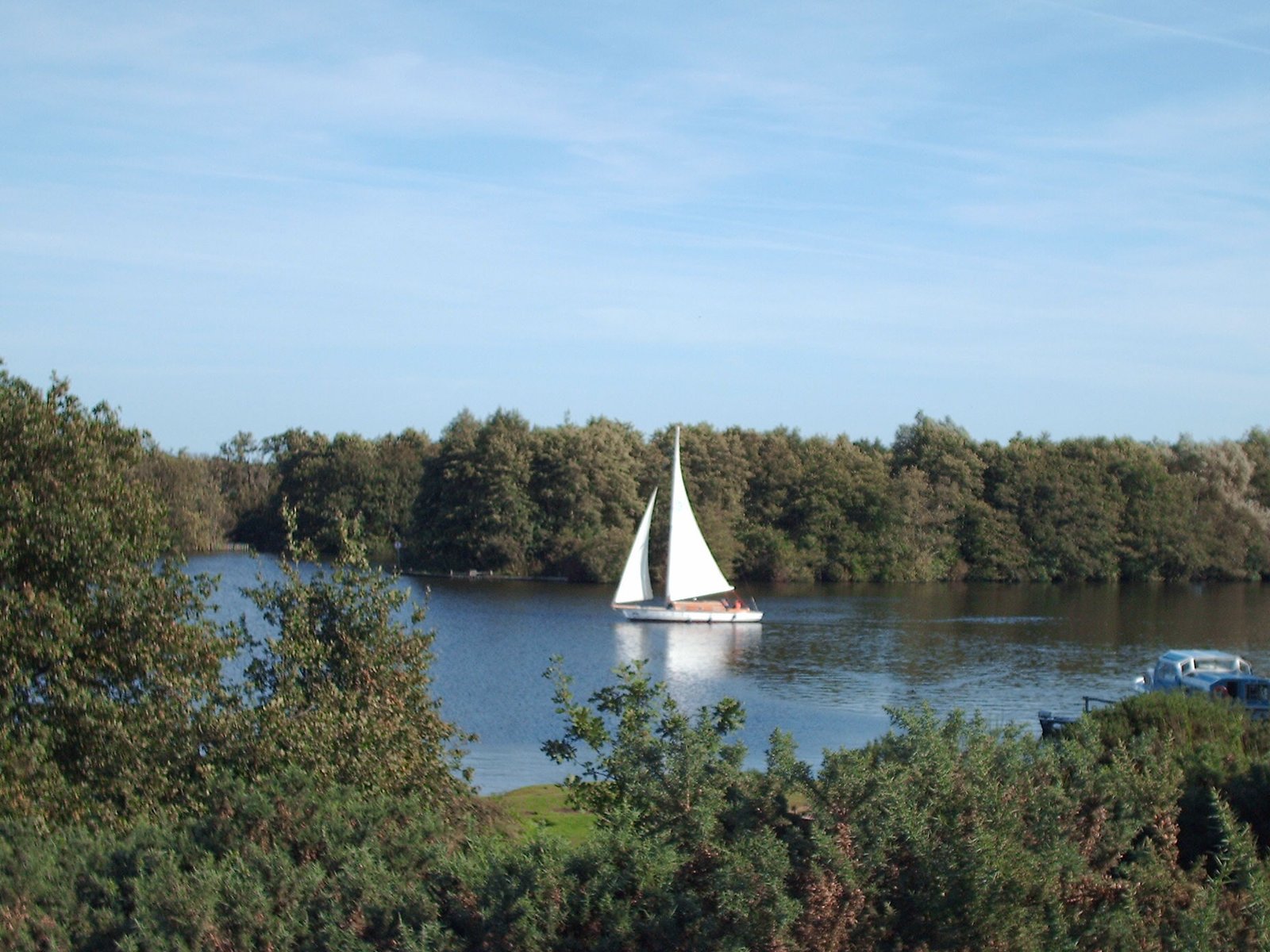
Norfolk rewards a slow pace better than almost anywhere else in England. The Broads are a network of shallow lakes and rivers left behind by medieval peat digging, and they are best seen from the water or from a riverside path rather than through a windscreen.
Beyond them, the north coast runs for miles through salt marsh, dunes and small flint villages. It is one of the great wildlife coastlines in Britain, and much of it is reached on foot from a car park and a boardwalk.
The county is also flat and quiet, which makes it forgiving if this is your first week in a motorhome. Lanes are generally wide, and the main routes between the places below are straightforward.
Day 1: Abberton to the Waveney Valley
An easy first leg
Take your time at collection. Walk round the vehicle, find the controls you will actually use, and do not set off until you are comfortable.
The run north to the Waveney Valley is a gentle first drive of around an hour and a half. The river marks the Suffolk and Norfolk border, and the small towns along it are a quiet introduction to the week.
Bungay has a ruined castle and a good independent high street. Harleston and Diss are both worth an hour. Diss has a mere right in the middle of the town, which is an odd and rather lovely thing to find behind a market place.
Keep the first evening simple. Arrive in daylight if you can, get the kettle on and let the week start properly tomorrow.
Look at the sites around Bungay, Harleston and Diss. The Camping and Caravanning Club and the Caravan and Motorhome Club both list certificated locations in this area, which tend to be small and quiet. Check pitch size, vehicle dimensions and seasonal opening before you book.
A short first drive is worth more than an ambitious one. You will learn the vehicle faster on a quiet road than on a busy one.
Day 2: Norwich
A city built for walking
Norwich is half an hour from the Waveney Valley and easily worth a full day. Park once and walk, or use one of the park and ride sites on the edge of the city, which is far easier than taking a motorhome into the centre.
The cathedral is Norman, with one of the largest cloisters in England and a spire that peregrine falcons have nested on in recent years. Entry arrangements and any charge are worth checking before you go.
From there, walk up Elm Hill, a cobbled street of timber-framed houses that survived the fires and the planners, then on to the castle on its mound above the city. The market below it is one of the oldest and largest open air markets in the country, and a good place to buy lunch rather than sit down for it.
If the weather turns, Norwich has more secondhand bookshops and small galleries than a day will allow.
There are several sites within a short drive east of Norwich, towards the Broads, which sets you up well for tomorrow. Book ahead in summer.
Use park and ride. Norwich is medieval in the middle, and the streets were not laid out with a motorhome in mind.
Day 3: Wroxham, Horning and the northern Broads
A day on the water
Today is the one to get afloat. Wroxham and Hoveton, either side of the River Bure, are the usual starting point, and day boats are available for hire by the hour or the day from several operators.
You do not need any experience. The boats are slow, the speed limits are low, and the river is wide. An hour or two is enough to understand why people come back to the Broads every year for decades.
Downstream, Horning is a riverside village of thatched houses and boathouses with a pub or two facing the water. Further out, Ranworth has a church tower you can climb for a view over the whole of the northern Broads, and a wildlife centre reached along a boardwalk through the reeds.
If you would rather stay dry, the Bure Valley Railway runs a narrow gauge line between Wroxham and Aylsham, with a footpath and cycle track alongside it.
The area between Wroxham, Horning and Ludham has a good choice of sites, some of them with their own moorings. Check whether the pitch you are booking takes a vehicle of your length.
Book a boat in the morning. By early afternoon in high season the popular operators at Wroxham are often fully committed.
Day 4: Blickling and the road to the coast
A great house and a first sight of the sea
Head north west to Blickling, a red brick Jacobean hall near Aylsham with long yew hedges and a large park. The grounds alone justify the stop, and there are waymarked walks of various lengths if you want to stretch your legs before driving on.
From Blickling it is a short run to the coast at Cromer. The pier still has a theatre at the end of it, which is now a rare thing, and the lifeboat station is open to visitors at advertised times.
Cromer crab is not a tourist slogan. Buy it dressed from one of the fishmongers in the town and eat it outside.
Next door, Sheringham is quieter, with a steep shingle beach and the North Norfolk Railway running steam trains inland to Holt.
There are a number of sites on the cliffs and in the villages between Cromer and Sheringham. Coastal pitches here are exposed, which is pleasant in July and less so in April.
Cromer and Sheringham both have car parks with height barriers. Check the signs on the way in rather than on the way out.
Day 5: Blakeney, Wells and Holkham
The best stretch of the coast
This is the day most people remember. The coast road west from Sheringham runs through a string of flint villages, each with a quay or a marsh or both.
From Morston Quay, boat trips run out to the seal colony at Blakeney Point, which is one of the largest in England. Trips depend on the tide, so the sailing times change daily and booking ahead is sensible.
Wells-next-the-Sea has a harbour, a long row of beach huts standing on stilts at the edge of the pines, and a narrow gauge railway that runs down to the beach in season. The walk out along the sea wall is flat and about a mile each way.
Holkham, just west, is the beach you have seen in photographs: a vast sweep of sand behind a belt of pine woods, with the tide a long way out. The estate car park has its own access arrangements, so check the height and charges before turning in.
Wells, Stiffkey and Burnham Market all have sites within reach of this stretch. This is the busiest part of the coast in summer, so book well ahead.
Check the tide times before a seal trip and before walking out at Holkham. The water comes in across flat sand faster than it looks.
Day 6: Sandringham and King’s Lynn
Woods, a royal estate and a Hanseatic port
Turn inland and south west towards Sandringham. The country park and the woodland walks are open through most of the year, and the house and gardens open on a published seasonal programme that is worth checking before you arrive.
King’s Lynn, a few miles further on, is a town that most people drive past. It should not be. It was one of the most important ports in medieval England, trading with the Hanseatic League, and the old quayside still has the warehouses and merchants’ houses to prove it. The Custom House on Purfleet Quay is the building everyone photographs.
If you would rather have another quiet day, Thetford Forest to the south east has waymarked walking and cycling trails and a good deal of space.
The Sandringham estate has a long-established club site in the woods, and there are others around King’s Lynn and towards the Brecks. Confirm availability directly.
Spend tonight somewhere that shortens tomorrow. An hour saved on the last morning is worth more than an extra hour today.
Day 7: The journey home
Back to Abberton
The run back from west Norfolk to Abberton is around two and a half hours without stops. Allow more.
Thetford and Bury St Edmunds both sit near the route and make a good final stop. Bury has the abbey gardens and a cathedral, and it is an easy place to spend an hour before the last leg.
Leave time for refuelling and for the return arrangements agreed when you collected the vehicle. Arriving unhurried is a better end to the week than arriving on the dot.
Your return time is agreed when you hire your vehicle. Plan the final morning around it, and contact us in advance if you would like to arrange a longer hire.
Make the most of your week
A few simple things will make the week easier:
- Book your overnight stops in advance. Popular sites fill quickly during school holidays and summer weekends.
- Check access before you travel. Some car parks have height barriers, narrow approaches or vehicle length limits. Never assume a space is suitable for your motorhome.
- Keep your days flexible. The suggested stops are options, not a checklist. There is no need to see everything.
- Travel light and plan your supplies. Stock up on essentials before leaving, then enjoy discovering local shops and food along the way.
- Respect the countryside. Follow local parking rules, take your rubbish with you and leave overnight stops as you found them.
- Check opening times and seasonal services. Ferries, boat hire, attractions and campsite facilities may not operate all year.
Ready to see Norfolk?
Norfolk is a county that does not shout. The pleasure of it is in the light over the marshes, a boat you are in no hurry to bring back, and a beach wide enough that nobody is standing near you.
A week gives you all of that without ever making an early start.
PWS Go, your adventure starts here.
Suggested itinerary only. Driving times, routes, campsite availability and attraction opening arrangements vary. Please confirm suitability for your hired vehicle and make bookings directly with the relevant providers before departure.